Public Trust Reboot: Unleashing the Millennial Civic Spirit
Why millennials’ values and ethos make them uniquely poised to close America’s civic leadership gap, and how to tap into their civic spirit.
Why millennials’ values and ethos make them uniquely poised to close America’s civic leadership gap, and how to tap into their civic spirit.

In this multimedia series, sponsored by the William and Flora Hewlett Foundation, voices from the social sector will offer tactics, tools, and advice gleaned from the grassroots to encourage nonprofits and foundations to make listening to their constituents—and acting on what they hear—a smart norm for any organization committed to improvement.
Three ways foundations can equip themselves to better respond to changing contexts.

Many social innovations fail because they are unable to bridge the “stagnation chasm.” Here is a look at the resources, ecosystems, and skills needed to overcome it.

Eight findings from a recent study of collective impact initiatives, including their effect on systems and population-level outcomes.
Why environmental, social and governance assessment needs to go beyond risk avoidance, and take into account both business model and corporate strategy.
Civil society can help make sure that we in America do not turn our back on fundamental values, or forget about those who lack market and political power.
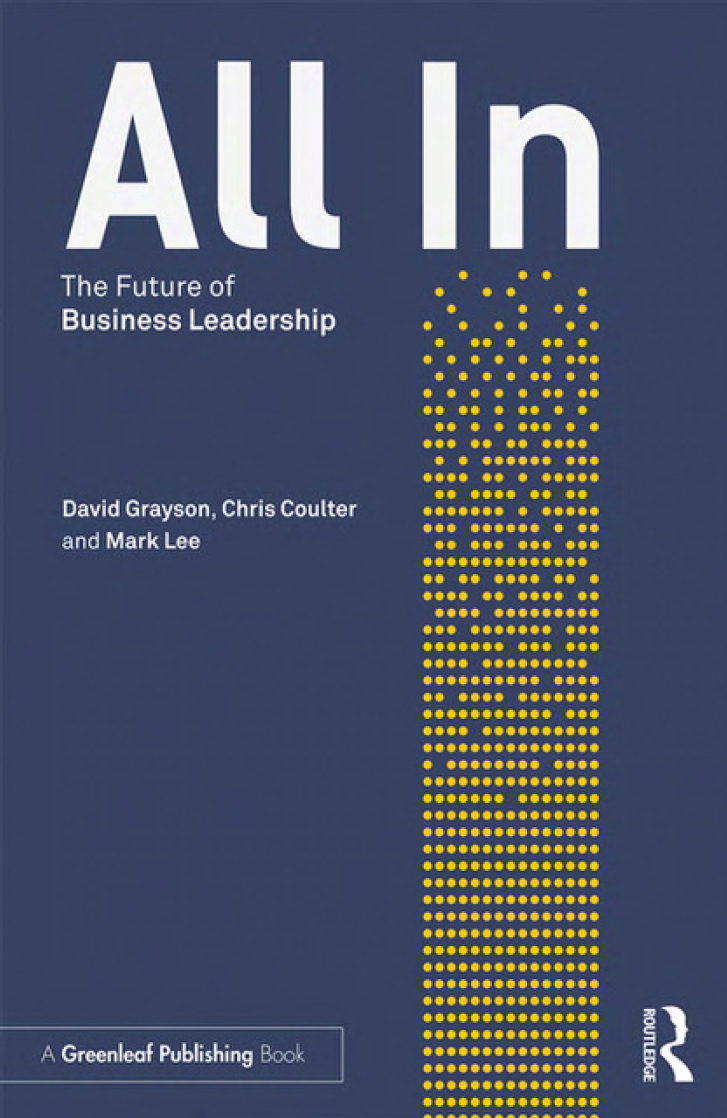
Making sure everyone at your organization captures, synthesizes, and communicates data in the same way is a worthy investment of time and resources.